
Dr. Caroline Fu, DO
Adults & Children
Harvard & Tufts Instructor of Psychiatry
Boston
For people with a long medication list and a diagnosis that never quite settled.

Drs. Caroline Fu & Victor Cohen
You’ve tried everything, but nothing has helped.
What if complicated just means we haven’t understood the story yet?

Drs. Caroline Fu & Victor Cohen
Together, we’ll find a new path forward
We see people who have tried several medications, seen more than one prescriber, and still don’t have a diagnosis that holds. We take deprescribing as seriously as prescribing, and one physician holds both the therapy and the medication, in the same hour.
Often what looks untreatable is really an incomplete or incorrect picture: several diagnoses stacked, one prescription treating the side effect of another.
We practice psychiatry the way we believe complex cases require it: with adequate time to hear the whole history, direct access to your physician, and a plan built on your case, not the last prescription.

At Center Clinics, every patient sees a highly-trained physician comfortable providing psychotherapy and personalized medication management. We do not employ lower-level providers like nurse practitioners or clinical social workers.
A routine visit runs fifteen minutes and inherits whatever came before it. A complex case needs time, a fresh look, and a doctor who stays.
Careful reasoning takes time. You can’t run a differential in fifteen minutes, or read a pattern in one visit. Longer visits and the same doctor across the arc let us test what’s driving a hard case and see how it actually responds. It’s a process, and we stay for it.
We don’t inherit old labels as facts. We reexamine the whole life narrative and prior diagnoses together: what fits, what never did, what’s actually driving this. Reevaluation takes patience, and it’s worth it.
We treat deprescribing as its own piece of the work, not an admission that prior care failed. Some medications may stay. None stay simply because stopping was never discussed.
These are situations inside a life, not labels to slot you into. We take the time to actually understand them before anyone writes a prescription.
You’re tired, maybe skeptical, and here anyway.
We can’t promise an outcome. We can promise a real conversation about what’s actually driving this, and honest reasoning about what’s worth trying next.
Complex stories don’t untangle in a single visit.
We review all available records, take the full history directly from you, and often coordinate with your other doctors to understand the whole picture. This evaluation may span multiple sessions.
We consider prior diagnoses, every medication tried and why, what helped even briefly, and what didn’t.
From this foundation, we build a plan suited to your specific case. This may mean reconciling a long medication list one variable at a time. It may mean coordinating with specialists, therapists, or other physicians whose input matters to your case.
Complex cases often involve developments between visits: a medication that causes an unexpected effect, a stressor that worsens symptoms, a question that comes up unexpectedly. Direct access to your psychiatrist means these get addressed promptly rather than left to wait.
We talk with your therapist, primary care, and other specialists so care isn’t fragmented and nobody is prescribing against each other. Where a regimen is stacked, one drug treating another’s side effect, we simplify, one deliberate change at a time.
A psychiatric second opinion is an independent look at your diagnosis and treatment by a psychiatrist who isn’t your current doctor. Asking for one is normal, something psychiatrists are trained to expect, not a betrayal of anyone.
When someone arrives after years of medications that never quite landed, we don’t inherit the diagnosis, we re-open it. Then we walk the whole medication history: what was tried, at what dose, for how long? So often what got called failure was a trial too low or too short to ever have worked.
Sometimes nothing changes about who treats you, and you go back to the psychiatrist you already trust. Other times people choose to continue the work with us. Either way, the point was never to take over your care.
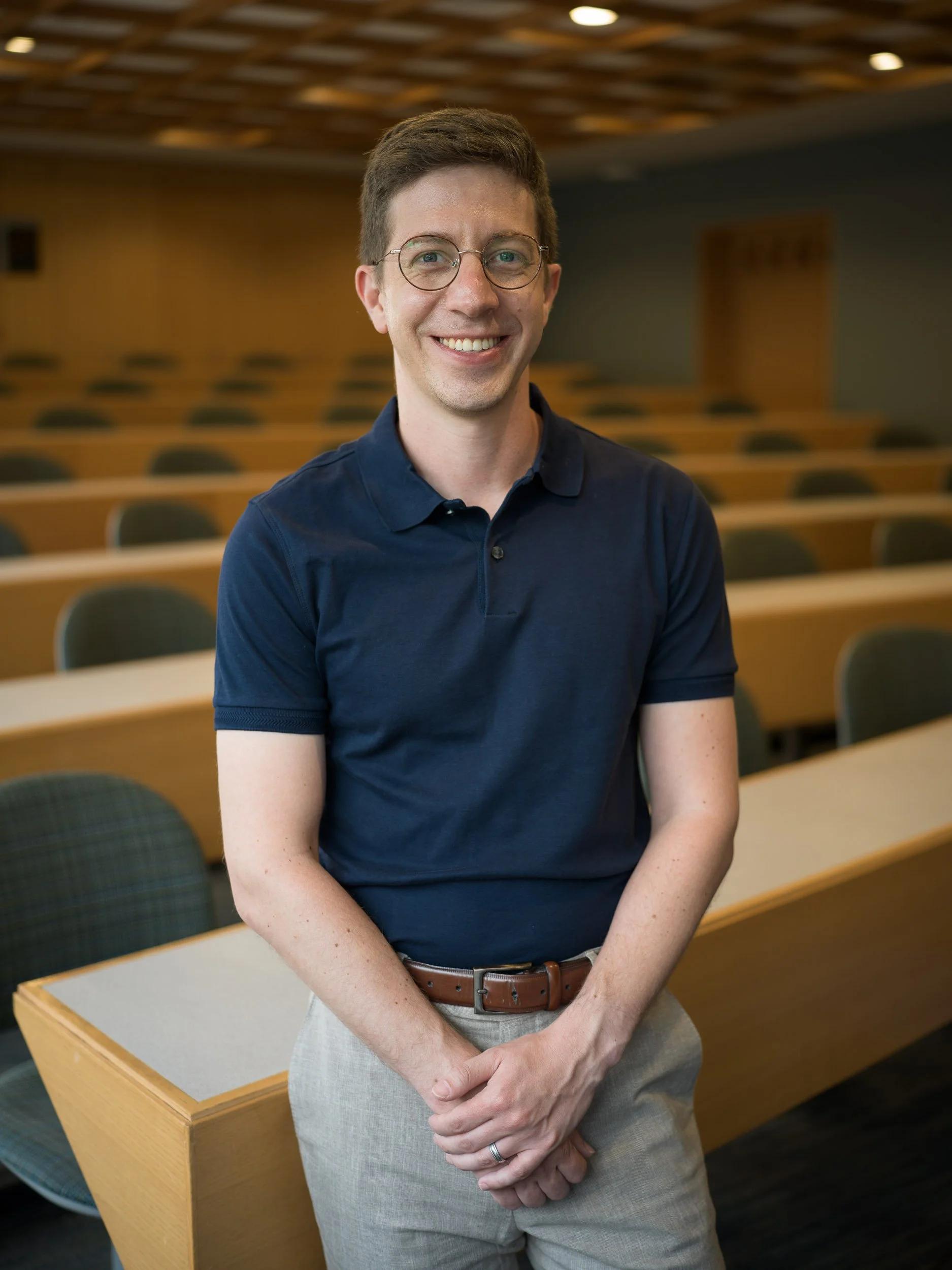
Many families face a situation where parents and their children have multiple diagnoses, or have responded poorly to previous treatment. We work with each member of your family, and with schools, teams and coaches.
Folks changing their living situation often need a physician to coordinate care across time-zones or international boundaries. We coordinate with international colleagues directly.
Our concierge program is one option for patients who want more support between visits. Patients receive many of the benefits of a residential program without leaving home. It isn’t required to see our physicians.
Sometimes outpatient visits clearly aren’t enough. A higher level of care is then the honest recommendation, and we’ll say so directly.
The first step is a confidential conversation about your history.
During this initial discussion, we’ll talk through your history, answer questions about how we practice, and determine whether this is the right fit.
Bring your full history: the medications that stacked up, the diagnoses that never quite fit, the parts no one had time to hear.
Reaching out about a complicated history can feel like a big step. We try to make it a straightforward one.
We see patients for complex cases in Boston and New York City.